

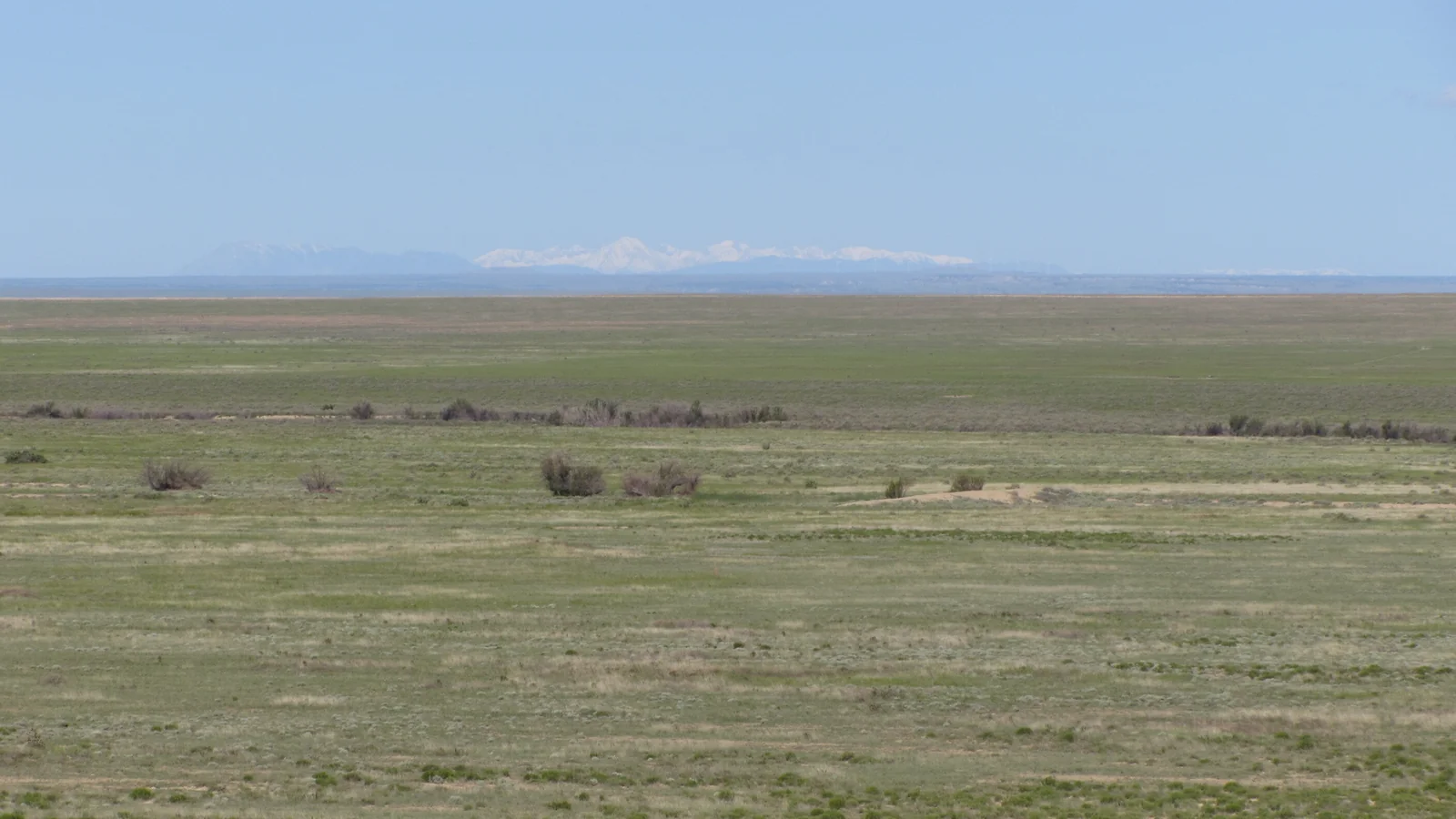
Raw land is land in its natural state with no improvements: no utilities, no paved road access, no buildings, and usually no grading or septic system. Improved land has had work done to make it usable, such as road access, water, sewer or septic, electricity, or a building. Many parcels fall in between and are called partially improved. The category affects price, financing, and how quickly you can build.
This article is a plain-English definition. If you are deciding which type to buy, our comparison of raw land vs improved land goes into the pros, cons, and costs in detail.
What counts as raw land?
Raw land, sometimes called undeveloped or unimproved land, has not been prepared for building. Typical examples include forest, open pasture, desert acreage, and mountain land without utilities. It may have a dirt track or a field entrance, but generally no improvements that support a home or business. Raw land may be zoned for agriculture, residential, or other uses, and zoning alone does not make land improved.
What counts as improved land?
Improved land has had changes that make it more usable for development. Common improvements include:
- Paved or graded road access and a driveway.
- Utilities such as electricity, water, sewer, gas, or internet at or near the property line.
- A well or a septic system.
- Grading, drainage, or clearing.
- Buildings, from a barn to a house.
A lot in a finished subdivision with streets and utility stubs is a classic example of improved land, even if no house has been built yet.
What is partially improved land?
Many rural parcels sit in the middle. A tract might have road frontage and power at the street, but no water or septic. Lenders, appraisers, and listing sites sometimes use this middle category. When reading a listing, ask exactly which improvements exist and where, because “utilities available” can mean the lines are at the lot line or a mile away.
Why does the difference between raw and improved land matter?
- Price. Improved land typically costs more per acre because some of the development work is done.
- Build costs. Raw land can need significant spending on access, utilities, and site preparation before construction.
- Financing. Lenders usually require larger down payments and charge more for raw land loans. See how land loans work.
- Timeline. Raw land may require surveys, soil tests, permits, and utility applications before you can start building.
- Taxes. Assessed value often rises as land is improved, which can increase property taxes.
Why do people buy raw land?
Raw land is often cheaper per acre, offers privacy and space, and gives buyers a blank slate. Investors may buy raw land in the path of growth and hold it, a strategy explained in our land banking guide. Others use it for recreation, hunting, timber, farming, or off-grid living. The trade-off is uncertainty: you need to confirm the land can actually be used the way you want.
How can you tell whether land is raw or improved?
- Visit the property and look for utility poles, meters, water lines, and a driveway.
- Ask the local electric, water, and sewer providers whether service is available and at what cost.
- Check county records for permits, septic approvals, or well records.
- Look at the tax assessment, which often separates land value from improvement value.
- Review the plat or survey for recorded access and utility easements.
What should you check before buying raw land?
Raw land needs careful due diligence: legal access, zoning, flood zones, wetlands, soil suitability for septic, water availability, utility costs, and any easements or restrictions. Our raw land due diligence checklist walks through each item. Skipping these checks is the most common way raw land buyers end up with property they cannot use as planned.
Can raw land become improved land?
Yes. Owners improve land by building roads or driveways, bringing in utilities, installing wells or septic systems, and grading. Each step usually requires permits and adds cost, but it can also increase value and make the land easier to finance or sell. Before investing in improvements, compare the expected cost with how much value they are likely to add in your local market.
Is raw land a good investment?
It can be, but returns depend on location, purchase price, holding costs, and whether demand grows. Raw land usually produces no income unless leased for farming, grazing, or other uses, and you still pay property taxes. Land near expanding towns or new infrastructure tends to attract more buyers than remote land. Treat any forecast of appreciation with caution and plan for a longer holding period than you expect.
How do appraisers and lenders describe land?
Appraisers often separate the value of the land from the value of improvements. On a county tax record, you may see a land value and an improvement value listed separately; a raw parcel generally shows little or no improvement value. Lenders use their own categories and may define “improved” differently, for example requiring road access plus electricity and water to qualify for better terms. When you talk to a lender, describe exactly what the property has rather than using a label, so you get an accurate answer about terms.
What are common misconceptions about raw land?
- “Raw land has no rules.” Zoning, subdivision rules, environmental regulations, and building codes still apply.
- “Cheap per acre means cheap to use.” Access and utility costs can exceed the purchase price.
- “I can always drill a well and install septic.” Soils, groundwater, and local rules can limit both.
Related reading: landlocked Property and Road Access; perc Test for Land.
Frequently asked questions
Is vacant land the same as raw land?
Not always. Vacant land just means no buildings. A vacant lot in a subdivision with utilities is improved land, while vacant acreage with no utilities is raw land.
Can you get a mortgage on raw land?
Not a standard home mortgage. You would typically need a land loan, seller financing, or another option.
Does raw land have property taxes?
Yes. Vacant land is generally taxed, though agricultural or forest use programs may lower the assessment in some states.
Is improved land always more valuable?
Usually per acre, but not always. Improvements that do not match market demand may add less value than they cost.