

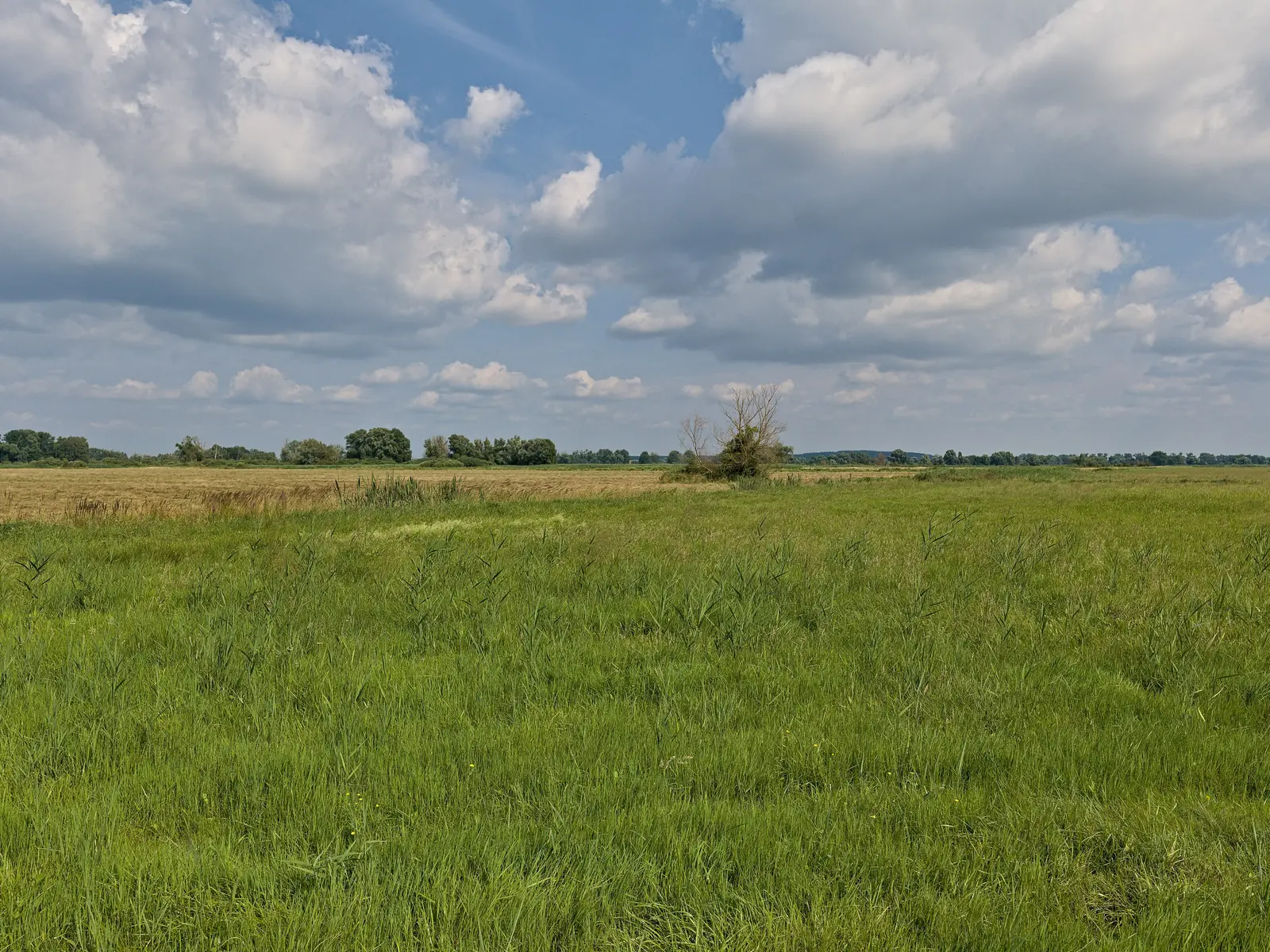
To invest in raw land, choose a strategy (buy and hold, flipping, leasing, or improving and reselling), pick a market with real demand, evaluate each parcel’s access, zoning, and utilities, calculate all holding costs, and have a clear exit plan before you buy. Raw land can be profitable, but returns are not guaranteed, and land is often harder to sell quickly than a house.
This article focuses on raw, undeveloped acreage and on setting realistic expectations. For a broader introduction see land investing for beginners, and for flipping specifically see land flipping for beginners.
Why do people invest in raw land?
- Lower entry price in many rural markets compared with houses.
- Low maintenance. No tenants, toilets, or roofs.
- Limited supply near growing areas.
- Flexibility to hold, lease, improve, or divide.
Those advantages come with trade-offs, covered below.
What are the main raw land investment strategies?
Buy and hold
Investors buy land in the expected path of growth and wait for appreciation. This is the core of land banking. It requires patience and the ability to cover taxes for years with no income.
Flipping
Some investors buy land below market from motivated sellers and resell quickly, often with seller financing to reach more buyers. Success depends on buying at the right price and having efficient marketing.
Leasing
Raw land can earn income through farming, grazing, hunting, timber, or other leases, depending on location. Income may help cover taxes but is usually modest relative to land value.
Improving and reselling
Adding access, utilities, or dividing a tract into smaller parcels can raise value, but it requires capital, permits, and knowledge of local rules. See how to subdivide land.
How realistic is making money with raw land?
It is realistic for investors who buy carefully and plan for the long term, but it is not a quick or guaranteed path to profit. Some honest points:
- Land usually produces no cash flow, so appreciation or resale profit must make up for taxes, insurance, and your capital being tied up.
- Land markets can be thin, and selling may take months or longer.
- Predicting where growth will happen is difficult. Plans for roads or developments can change.
- Courses that promise easy profits often understate the work, marketing costs, and risk.
Approach any income claims you see online with skepticism, and run your own numbers with conservative assumptions.
How do you find raw land deals?
- Listings on land marketplaces and the MLS.
- County tax-delinquent lists and tax sales, which come with their own legal rules and risks.
- Direct outreach to owners, especially out-of-state owners of vacant parcels.
- Estate sales and probate properties.
- Relationships with local land agents.
How do you evaluate a raw land parcel?
- Legal access to a public road.
- Zoning and allowed uses.
- Utilities and their distance.
- Soil suitability for septic, if relevant.
- Flood zones and wetlands.
- Title, liens, and back taxes.
- Comparable sales to estimate resale value.
Our raw land due diligence checklist covers each in detail.
What does it cost to hold raw land?
Property taxes, insurance, and occasional maintenance continue every year. Some land enrolled in agricultural or forest programs may have lower taxes, but changing its use can trigger penalties. Calculate annual holding costs and how many years you can carry them comfortably.
How do you plan your exit?
Before buying, know who your likely buyer is: a homesite buyer, a farmer, a builder, a developer, or another investor. Price your purchase so you can sell to that buyer at a profit after costs. If you plan to sell with seller financing, understand the legal requirements in your state and the risk of buyer default.
What are the biggest risks of investing in raw land?
- Buying land with no legal access or that cannot pass a perc test.
- Overpaying based on optimistic growth expectations.
- Illiquidity: needing cash and being unable to sell quickly.
- Regulatory changes, such as zoning or environmental restrictions.
- Holding costs eating into returns.
How much money do you need to start?
There is no fixed minimum. Some rural parcels are inexpensive, while land near growing cities costs far more. Start with an amount you can afford to have tied up for years, and keep reserves for taxes and unexpected costs. Financing raw land usually requires a large down payment, so many beginning investors use cash or seller financing.
What taxes should land investors know about?
Profits from land held as an investment for more than a year are generally taxed as long-term capital gains, while frequent buying and selling can lead the IRS to treat you as a dealer with ordinary income. Some investors use 1031 exchanges to defer gains. Our guides to capital gains tax on land sales and the 1031 exchange for land explain the basics. Get advice from a tax professional for your situation.
What should your first raw land deal look like?
A sensible first deal is usually small, inexpensive relative to your savings, and simple: a parcel with clear legal access, no title problems, and zoning that matches what local buyers want. Avoid deals that depend on rezoning, new roads, or a perc test you have not seen. Write down your purchase price, every expected cost, a conservative resale price, and how long you could hold if it does not sell. If the numbers still work under pessimistic assumptions, the deal is more likely to survive real-world surprises. Treat the first deal as education as much as profit.
Related reading: how to Value Land Per Acre.
Frequently asked questions
Is raw land a good investment for beginners?
It can be, if you start small, learn due diligence, and do not rely on borrowed money you cannot repay. Mistakes are costly, so education matters.
Does raw land appreciate?
Some land appreciates and some does not. Location, demand, and infrastructure drive it.
Can raw land produce income?
Yes, through leases for farming, grazing, hunting, timber, or other uses, though income is often modest.
How long should I plan to hold raw land?
It depends on your strategy. Buy-and-hold investors often plan for years, while flippers aim to sell sooner.