

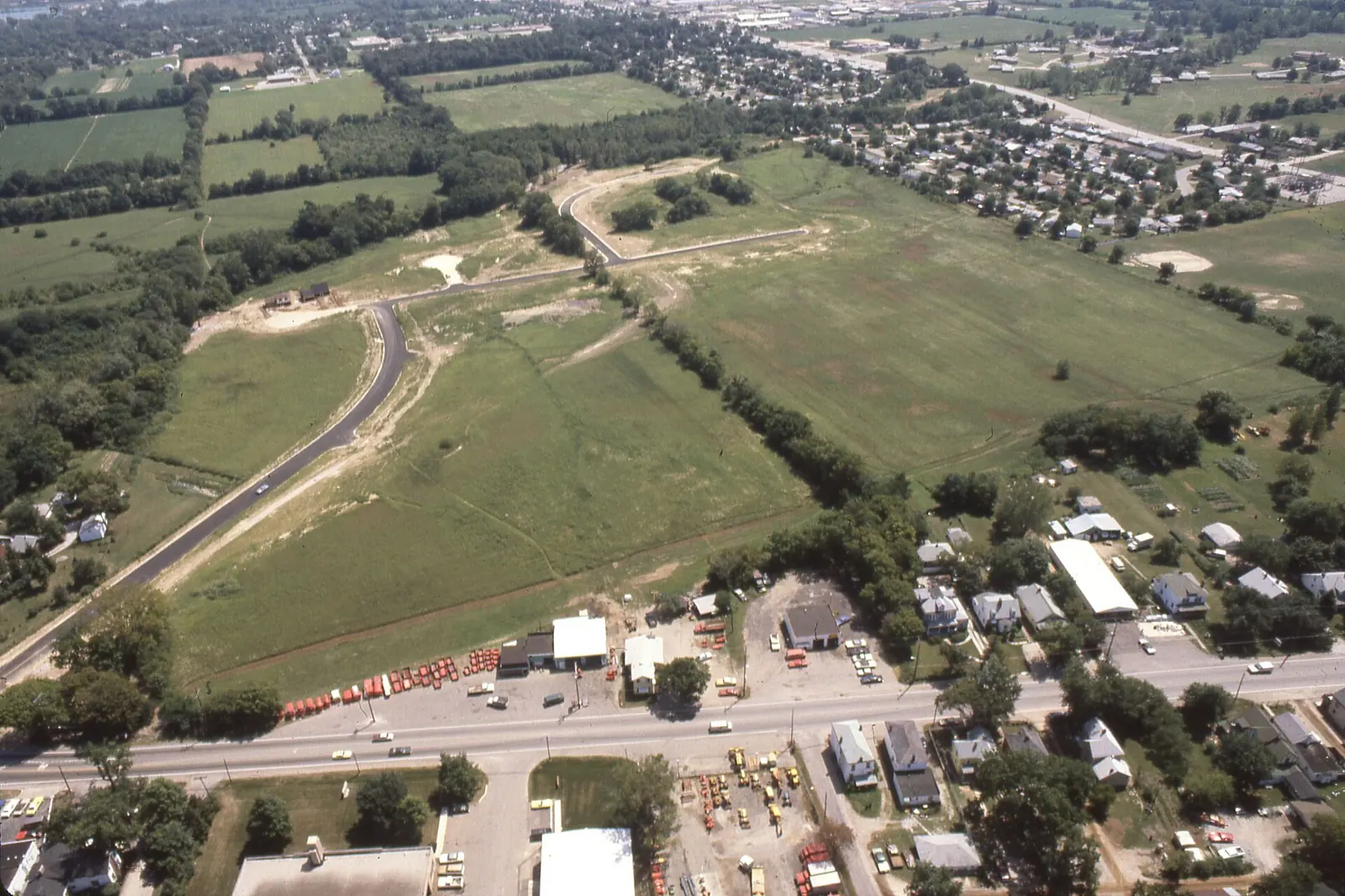
To sell plots of land, you first need each plot to be a legal, separately sellable parcel, which usually means getting a land division or subdivision approved, surveying and recording the new lots, and making sure each one has legal access. Then you price and market each plot individually. Splitting can raise total value, but it adds cost, time, and possible tax consequences.
This article is for owners deciding whether to sell their land as several smaller plots rather than one tract. For the approval process itself, see how to subdivide land, and for selling a single parcel see the process of selling land.
Why sell land in plots instead of all at once?
Smaller parcels often sell for more per acre than large tracts because more buyers can afford them. A 40-acre tract may have few buyers, while four 10-acre parcels or several homesites may attract many more. Selling in plots can also let you keep part of the land. The downside is that you take on survey, approval, and possibly road or utility costs, and the sale takes longer overall.
Can you legally sell part of your land?
Usually you cannot simply draw a line and sell part of a parcel. Most counties and cities regulate how land is divided. Depending on the number of lots and local rules, you may qualify for a simple lot split, a minor subdivision, or a full subdivision with engineering plans and public hearings. Some rural areas allow large-acreage divisions with fewer requirements. Selling an unapproved division can leave the buyer unable to get a building permit and expose you to legal problems, so start with the local planning or zoning office.
What steps are involved in creating plots to sell?
- Check zoning and subdivision rules. Learn the minimum lot size, road frontage requirements, and what type of approval you need.
- Talk to a surveyor. A licensed surveyor can lay out lots that meet the rules and prepare the plat or survey the county requires.
- Plan access. Each plot needs legal access, either frontage on a public road or a recorded easement or private road that meets local standards.
- Address utilities and septic. Some counties require proof that each lot can support a septic system or has water available.
- Apply for approval and respond to review comments.
- Record the plat or deeds so each plot has its own legal description and parcel number.
How do you price individual plots?
Each plot should be priced on its own merits. Road frontage, views, trees, topography, size, and utility access all affect value, so plots from the same tract can differ significantly in price. Look at recent sales of similar-sized parcels nearby. Many sellers price the best plots higher and sometimes sell those first to fund the remaining work, though some prefer to sell weaker plots first so they are not left with the hardest-to-sell land. Our guide on how to value land per acre explains how size affects per-acre pricing.
How do you market multiple plots?
- Create a site map showing each plot, its size, and its price.
- Give each plot its own listing with photos and a parcel number once recorded.
- Put up signage at the road entrance if allowed.
- Consider offering seller financing, which tends to attract buyers for rural homesites.
- Reach out to neighbors and local builders who may want one or more plots.
Should you install a road or utilities before selling?
It depends on your market and the local rules. Required improvements must be done or bonded before final approval in many places. Optional improvements, such as bringing power to each plot, can make lots more attractive but increase your upfront cost. Get quotes and compare the likely price increase with the cost. Selling plots “as is” with clear disclosure is often simpler for small divisions.
What taxes apply when you sell land in plots?
Tax treatment can change when you divide and sell land. The IRS distinguishes between investors, whose land sales are generally taxed as capital gains, and dealers, who hold land primarily for sale to customers and may be taxed at ordinary income rates. Subdividing and actively marketing many lots can push a seller toward dealer status, though the outcome depends on the facts. There is a narrow special rule in the tax code for certain subdivided land, but its conditions are specific. Talk to a tax professional before you divide. Our guide to capital gains tax on land sales covers the basics.
What mistakes should you avoid when selling plots?
- Selling a portion of land before the division is legally approved and recorded.
- Creating a plot with no legal access.
- Underestimating survey, engineering, and road costs.
- Ignoring how deed restrictions or HOA rules on the new lots will affect buyers.
- Not planning for property taxes on several parcels while they wait to sell.
Is selling in plots worth it?
For many owners it can be, especially near growing towns where demand for small rural homesites is strong. It is less attractive when the approval process is expensive, the land needs a new road, or the local market is thin. Compare a realistic net from selling in plots (after costs, time, and taxes) with the price you could get selling the whole tract to one buyer or a land investor.
Frequently asked questions
Do I need county approval to sell part of my land?
In most places, yes. Check with your county or city planning office before you sign anything with a buyer.
How long does it take to split land into plots?
Simple splits may take weeks, while full subdivisions can take many months. It depends on local review processes and how many lots you create.
Can I sell plots with owner financing?
Yes, many rural plot sellers offer it. Use proper legal documents and understand any lending rules in your state.
Will subdividing increase my property taxes?
Possibly, since new parcels are assessed separately and may lose agricultural classifications. Ask your county assessor.