

By Nick. Updated November 23, 2026.
Short answer: New third-quarter numbers show the single-family building market splitting in two. Built-to-rent (BTR) construction held steady at about 19,000 starts in Q3 2026, up 6% from a year earlier, while townhouse starts fell 14% to 40,000 and custom home starts dropped more than 11% to 46,000. That’s according to National Association of Home Builders (NAHB) analysis of Census Bureau data, published between November 19 and November 23.
For anyone who owns, buys, or sells residential land, this matters more than the usual headline starts number. It tells you which kind of builder is still putting shovels in the ground, and therefore who is most likely to be shopping for lots right now.
Where do these numbers come from?
The Census Bureau publishes a quarterly breakdown of housing starts by purpose and design as part of its New Residential Construction program. It splits single-family starts into homes built for sale, homes built for rent, homes built on the owner’s own land (custom), and attached homes like townhouses. NAHB’s economics team then crunches the series on its Eye On Housing blog. The figures below come from three of those posts.
| Segment | Q3 2026 starts | Change vs. Q3 2025 | Last four quarters |
|---|---|---|---|
| Built-to-rent (single-family) | About 19,000 | Up 6% | 69,000 (flat) |
| Townhouses (single-family attached) | 40,000 | Down 14% | 154,000 (down 13%) |
| Custom homes | 46,000 | Down more than 11% | 176,000 (down 6%) |
Built-to-rent: steady, and still a big share
NAHB counted roughly 19,000 single-family built-for-rent starts in the third quarter, compared with 18,000 a year earlier. Over the last four quarters, 69,000 such homes broke ground, the same total as the prior four-quarter period. NAHB notes that quarter-to-quarter moves in this small segment usually aren’t statistically significant, so “flat” is the honest read.
What stands out is the share. On a four-quarter moving average, BTR is now just above 7% of single-family starts, versus a historical average of 2.7% from 1992 to 2012. And that count only includes homes a builder constructs and keeps as rentals. NAHB estimates homes sold to a separate investor for renting could add another 3% to 5% of single-family starts.
NAHB’s economist Robert Dietz wrote that a rebound “may be in store,” pointing to priced-out buyers and more certainty around financing rules. That’s a forecast, not a promise, but it fits the bigger picture. With the 30-year fixed mortgage rate at 7.28% in Freddie Mac’s November 19 survey, a lot of households who would have bought are renting instead.
If you’re new to the model, our explainer on what build-to-rent is covers how these communities are financed and laid out.
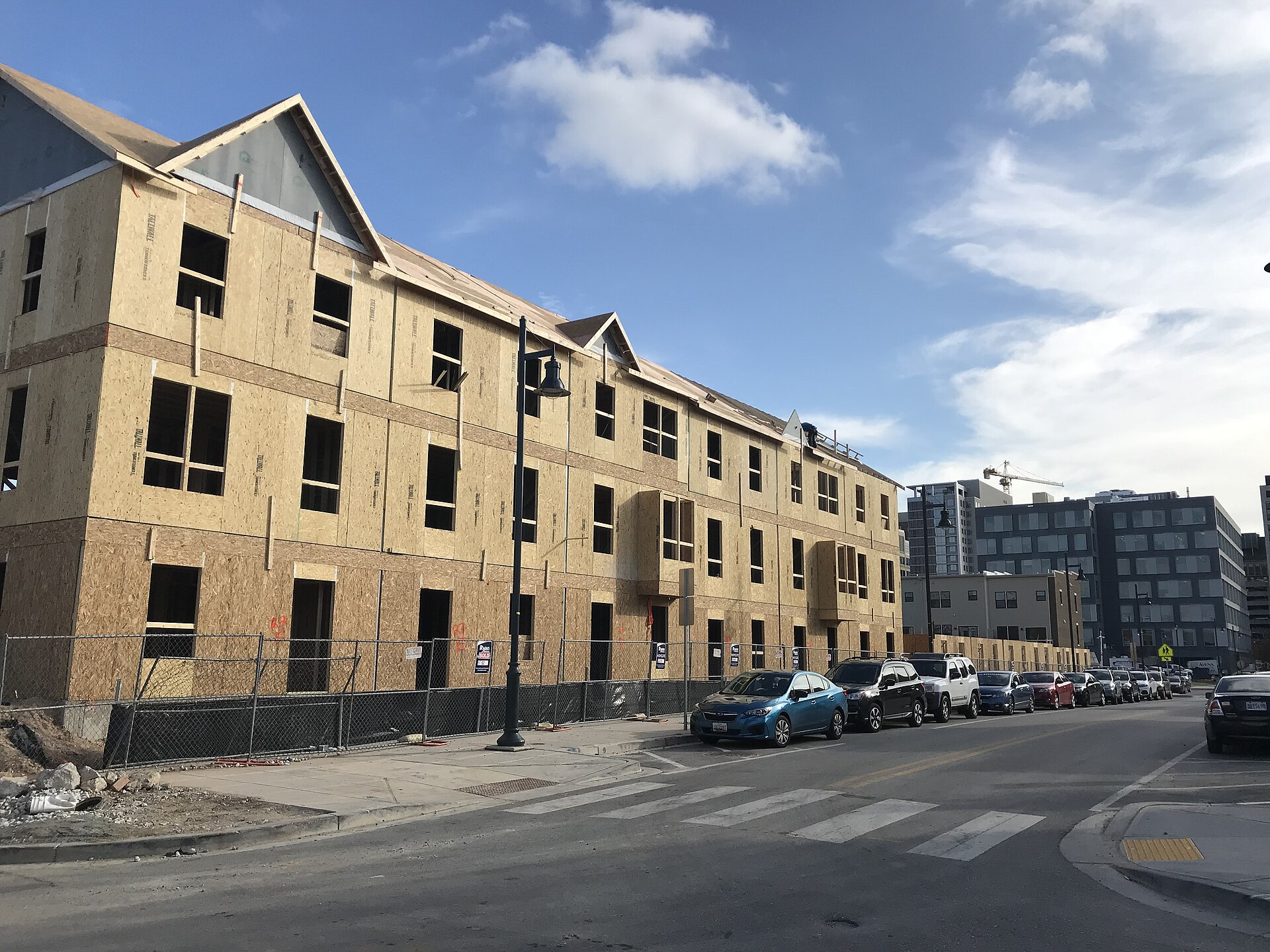
Townhouses: falling from a record high
Single-family attached starts totaled 40,000 in Q3 2026, down 14% from a year earlier. Over four quarters, townhouse starts came to 154,000, down 13% from 179,000.
Townhouses made up 17% of single-family starts in the quarter, and the one-year moving-average share also slipped to 17%. That’s down from an all-time high of 18.7% in Q3 2025. For perspective, the peak before this cycle was 14.6%, set in early 2008. So townhouses are still a much bigger slice of building than they were 15 years ago, even after this drop. NAHB tied the weakness to affordability, especially in larger metro areas, but still sees good long-run demand for walkable, medium-density neighborhoods. Its blunt line on the topic: “Where it can be zoned, it can be built.”
Custom homes: the small-builder slowdown
Custom starts (homes built under contract on a buyer’s own lot) fell to 46,000 in Q3, more than 11% below a year earlier. The four-quarter total was 176,000, down 6% from 188,000. Custom building’s share of single-family starts is now 19% on a one-year average, down from about 21% in early 2023. This segment is almost entirely small, private builders, and it’s the one most directly tied to people buying a single lot to build on.
What this means for land buyers and sellers
- Sellers of single lots should expect a slower buyer pool. Fewer custom starts means fewer owner-builders shopping for one or two parcels. Price realistically and be ready to offer terms. Our October post on housing starts and permits showed single-family permits down 8.7% for the month, so this isn’t turning around overnight.
- Larger, zoned, utility-served tracts still have a natural buyer. BTR operators need many lots in one place. Land that’s already zoned for small-lot single-family, with water and sewer nearby, is the kind of site they target.
- Zoning is the swing factor for townhouse land. Demand for attached homes has cooled, but parcels where townhomes are already allowed by right remain scarce. Before paying a premium for “townhouse potential,” confirm it with the local planning office.
- Don’t read one quarter as a trend. These are small samples. Watch the next couple of quarterly releases, plus mortgage rates, before you make a big bet either way.
The takeaway: today’s building market favors deep-pocketed rental builders over individual buyers. If you hold land, think about which of those two buyers your parcel actually suits, and market it that way.
Sources
- NAHB Eye On Housing, “Flat Conditions for Built-to-Rent Construction” (November 23, 2026)
- NAHB Eye On Housing, “Townhouse Construction Declining” (November 20, 2026)
- NAHB Eye On Housing, “Custom Home Building Slowing” (November 19, 2026)
- U.S. Census Bureau, New Residential Construction, including Quarterly Starts and Completions by Purpose and Design
- Freddie Mac, Primary Mortgage Market Survey (November 19, 2026)