

The cost to subdivide land in Pennsylvania depends mostly on how many lots you create, whether you need new roads or utilities, and your municipality’s requirements. Typical cost items are a survey and subdivision plan, municipal and county review fees, sewage facilities planning and soil testing for on-lot septic, engineering for stormwater, and legal and recording fees. A simple two-lot split costs far less than a major subdivision with a new road.
This article focuses on Pennsylvania’s process and cost drivers. For the general steps that apply in most states, see our guide on how to subdivide land. This is general information; requirements vary by township and borough, so confirm details locally.
Who approves subdivisions in Pennsylvania?
In Pennsylvania, subdivision and land development is regulated mainly at the local level under the Pennsylvania Municipalities Planning Code (MPC). Each municipality (township, borough, or city) may adopt its own subdivision and land development ordinance (SALDO). Where a municipality has not adopted one, the county’s SALDO may apply. The county planning commission typically reviews plans and provides comments even when the municipality makes the final decision. Because there are many municipalities in Pennsylvania, rules and fees differ from one township to the next.
What are the main cost components?
Survey and subdivision plan
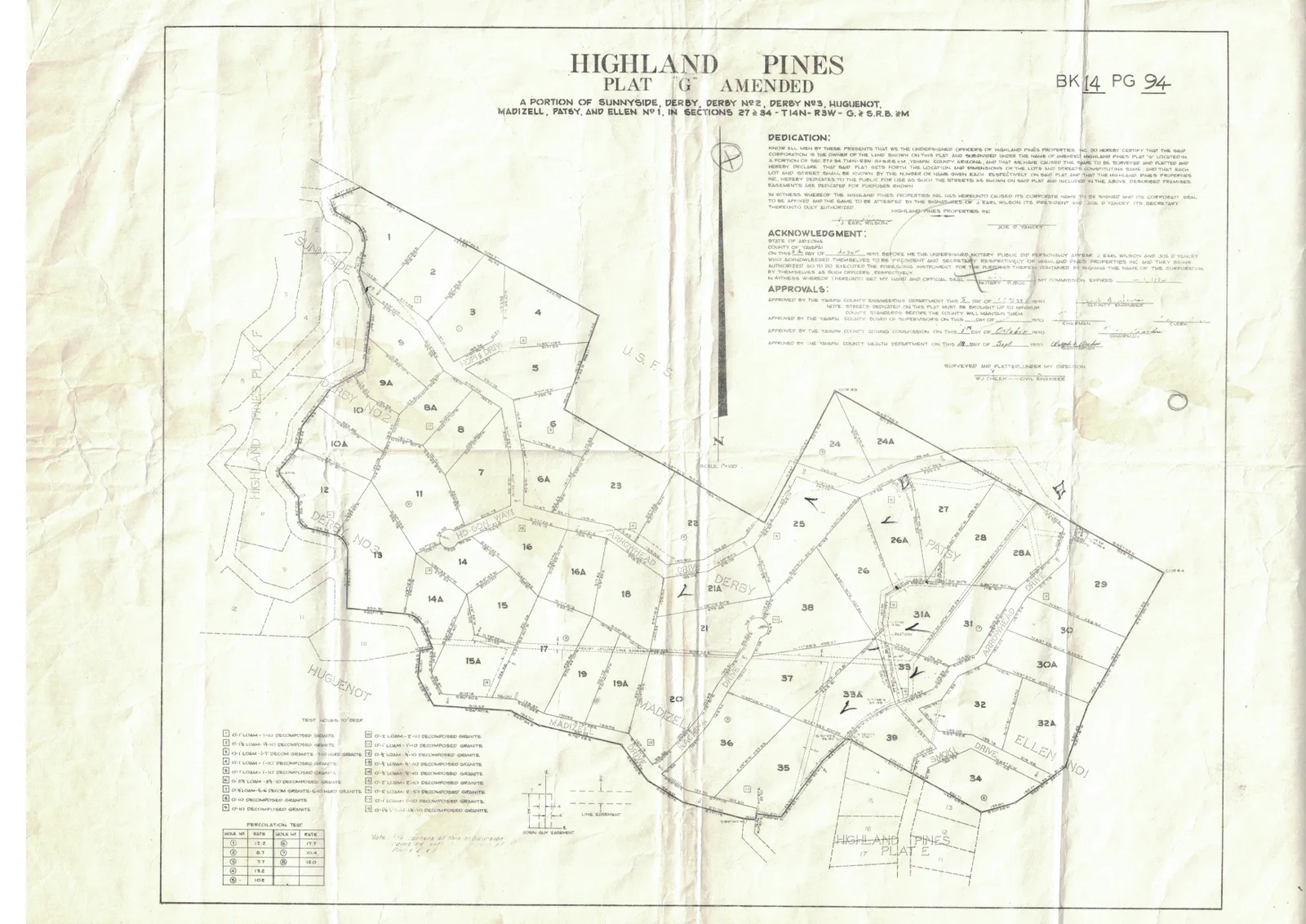
A Pennsylvania-licensed professional land surveyor prepares the boundary survey and the subdivision plan that shows new lot lines, setbacks, easements, and required notes. This is often one of the largest costs for a simple split. Price depends on acreage, terrain, how many corners must be set, and how much existing record research is needed.
Municipal and county review fees
Municipalities charge application fees and often require an escrow deposit to pay their engineer and solicitor to review your plan. The county planning commission may also charge a review fee. Ask for the current fee schedule from the township or borough office.
Sewage facilities planning
Under Pennsylvania’s Sewage Facilities Act (often called Act 537), new lots generally require sewage facilities planning approval. If lots will use on-lot septic systems, that typically means soil probes and percolation tests witnessed by the local sewage enforcement officer (SEO), plus a planning module or an exemption request submitted for review by the Pennsylvania Department of Environmental Protection or a delegated agency. Lots connecting to public sewer need confirmation of capacity from the sewer authority. This step can add significant cost and time, especially if soils are marginal. Our perc test guide explains what these tests involve.
Engineering and stormwater
Larger subdivisions, or those that create new impervious surfaces such as roads, usually need engineered plans for grading, erosion and sediment control, and stormwater management. Earth disturbance above certain thresholds may require permits through the county conservation district. A simple lot split with no construction may need little engineering.
Roads, driveways, and utilities
If new lots need a new street, costs rise sharply because the road must usually be designed and built to municipal standards or guaranteed with financial security before final approval. Driveway access onto a state road requires a highway occupancy permit from PennDOT; on local roads, the municipality may issue the permit.
Legal and recording fees
You may need an attorney to prepare deeds, easements, or a road maintenance agreement. The final approved plan is recorded with the county recorder of deeds, which charges recording fees.
How does a minor subdivision compare with a major subdivision?
Many SALDOs define a minor subdivision as a small number of lots on an existing road with no new streets or major improvements. These often go through a simplified review with fewer engineering requirements. Major subdivisions involve more lots, new roads, or public improvements, and typically require preliminary and final plan approval, engineering, and financial security. The definitions and thresholds vary, so read your municipality’s SALDO.
How long does subdividing take in Pennsylvania?
The MPC sets time limits for municipalities to act on complete applications, but the overall timeline also includes your own survey work, sewage planning, and responding to review comments. Soil testing may be limited to certain seasons in some areas. Plan for a process that can take months, and longer for major subdivisions.
How can you estimate your subdivision cost?
- Call the municipal office and ask for the SALDO, fee schedule, and escrow requirements.
- Ask the sewage enforcement officer about testing requirements and fees.
- Request quotes from two or three local surveyors familiar with your municipality.
- If a road or significant grading is needed, get an engineer’s estimate.
- Add legal, recording, and any transfer tax costs if you will sell lots.
Local professionals know which municipal engineers are thorough and which issues commonly come up, which helps you budget accurately.
What hidden costs come up in Pennsylvania subdivisions?
Owners are sometimes surprised by escrow top-ups when municipal engineer reviews run longer than expected, by repeat soil testing when the first site fails, by wetland delineation where wet soils appear, and by requirements to dedicate right-of-way along the road frontage. Asking early about these items helps avoid budget shocks.
Is subdividing worth the cost?
Compare the likely sale price of the separate lots, minus all subdivision costs and selling costs, with the value of the land as one parcel. Consider the time involved and any tax effects. Our guide on selling land in plots discusses pricing and tax considerations, and capital gains tax on land sales covers taxes.
What about Clean and Green land?
Many Pennsylvania landowners have farmland or forest enrolled in the Clean and Green preferential assessment program. Subdividing or changing the use of enrolled land can trigger rollback taxes and interest in some situations, while certain small split-offs may be allowed under program rules. Check with the county assessment office before you subdivide.
Related reading: infill Lots; opportunity Zones for Land Investors; cost to Build a House on Land.
Frequently asked questions
Can I subdivide my land in PA without a surveyor?
No. A subdivision plan generally must be prepared and sealed by a licensed professional land surveyor or engineer, depending on the plan.
Do I need a perc test to subdivide in Pennsylvania?
If new lots will use on-lot septic systems, soil testing is typically part of sewage facilities planning. Ask your SEO.
Who reviews my subdivision plan?
Usually the municipal planning commission and governing body, with comments from the county planning commission.
Will subdividing affect my Clean and Green status?
It can. Ask the county assessment office before you submit plans.