

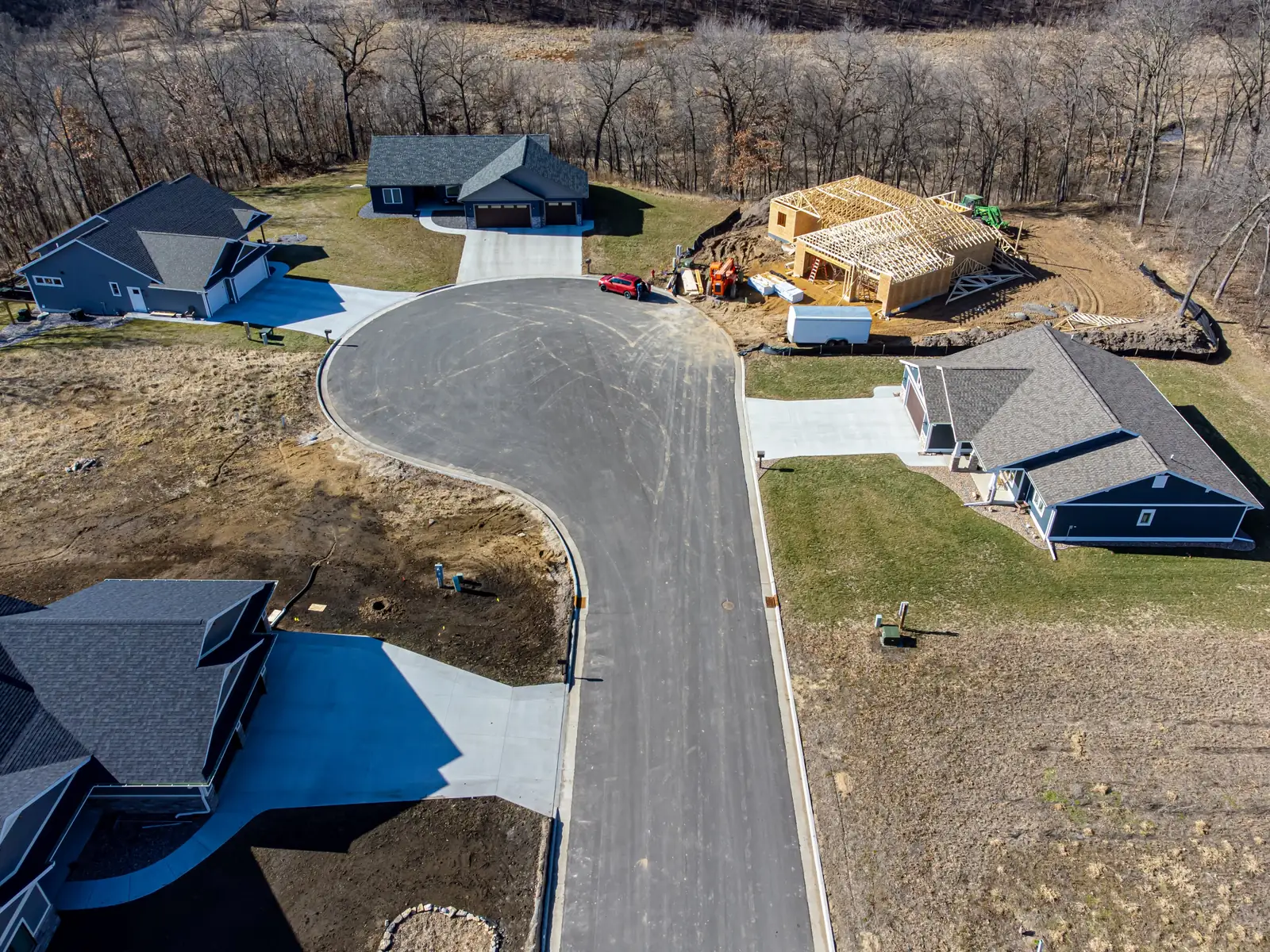
Home builders are in a gloomy mood heading into the end of 2026. The National Association of Home Builders (NAHB) and Wells Fargo released their monthly Housing Market Index on Tuesday, November 17, and builder confidence fell to its lowest reading in more than 14 years. If you own land that a builder might want, or you are thinking about buying lots, this is a report worth a few minutes of your time.
Here is what came out, the numbers that matter, and what we think it means for land and property buyers and sellers.
What was released
The NAHB/Wells Fargo Housing Market Index (HMI) is a monthly survey of single-family home builders. It asks them to rate current sales, expected sales over the next six months, and how much buyer traffic they are seeing. The answers are rolled into a score from 0 to 100. Anything above 50 means more builders see conditions as good than poor. Anything below 50 means the pessimists outnumber the optimists.
Because builders are the main buyers of finished lots and entitled land in most US markets, their mood tends to show up in land demand before it shows up anywhere else.
The key numbers
- Overall builder confidence: 25, down four points from October and the lowest reading since April 2012. CNBC noted the index stood at 38 a year earlier.
- Current sales conditions: 28, down six points.
- Sales expectations for the next six months: 30, down two points.
- Prospective buyer traffic: 16, down two points. NAHB says that is the weakest traffic reading in 15 years, setting aside the start of the pandemic in 2020.
- Price cuts: 46% of builders reduced prices in November, the highest share since Covid. The average cut held at 6% for the eighth month in a row.
- Sales incentives: 68% of builders used them, also a post-Covid high, and the 20th straight month that at least 60% did.
Every region slipped on a three-month moving average basis. The Northeast fell four points to 34, the Midwest dropped five points to 35, the South fell three points to 27, and the West declined three points to 23.
NAHB Chief Economist Robert Dietz summed up the demand side plainly: “Mortgage rates above 7%, softer consumer confidence and an uncertain economic outlook are holding buyers back.” The association also pointed to tariffs on building materials, higher fuel costs passed on by subcontractors, and labor shortages tied to stepped-up immigration enforcement.
Rates are not helping
The mortgage picture lines up with what builders are reporting. The Mortgage Bankers Association’s weekly survey, released November 18, showed the average 30-year fixed contract rate for conforming loans rising to 7.35% from 7.21% in the week ending November 13. Purchase applications were 18% lower than the same week a year ago. Fewer buyers applying for loans means fewer buyers walking into model homes, which is exactly what the traffic reading of 16 shows.
What it means for land buyers and sellers
Builders will be pickier about lots. When sentiment is this low, builders tend to protect cash. Expect them to slow new lot purchases, push for longer closing timelines, ask for phased takedowns, or walk away from deals where the numbers were already tight. Census data released a day later backs this up: single-family permits fell 8.7% in October. We covered that report in our breakdown of October housing starts and building permits.
Raw and unentitled land feels it first. A finished lot in a proven submarket can still sell, because a builder can start quickly. Raw acreage that needs zoning, utilities and roads is a longer, riskier bet, and that is usually the first thing builders stop chasing when confidence drops. If you are holding raw land and planned to sell to a builder in 2027, it may be smart to plan for a longer marketing window or a lower offer.
Financing for land is already tight. Builders do not just need buyers. They need lenders willing to fund land and lot development. We looked at that side of the market in our post on tightening land and construction loan credit in Q3 2026. Weak sentiment plus tight credit is a combination that tends to slow land deals.
Patient buyers may find opportunities. Downturns in builder demand are often when long-term land investors pick up well-located parcels at better prices. If you have cash or flexible financing and a long holding horizon, a soft market can work in your favor. Focus on location, access, utilities and zoning, and stress-test your numbers assuming it takes longer than you expect to sell or build. Our guide on how to invest in land lots walks through the basics.
Regional differences matter. The West and South are the weakest regions right now on NAHB’s measure. Those are also the regions where a lot of builder-driven land activity has been concentrated in recent years, so sellers there should watch local absorption and builder inventory closely before setting a price.
The bottom line
A builder confidence reading of 25 is a clear signal that the new-home market is under pressure, with price cuts and incentives at post-Covid highs and buyer traffic near a 15-year low. For land owners counting on a builder exit, it is time to be realistic about timing and price. For patient investors with good financing, it may be the start of a better buying window. We will keep tracking the monthly data as it comes in.
Sources
- NAHB: Builder Sentiment Continues to Fall on Affordability Concerns (November 17, 2026)
- NAHB/Wells Fargo Housing Market Index (HMI)
- MBA: Mortgage Applications Decrease in Latest MBA Weekly Survey (November 18, 2026)
- CNBC: Homebuilder sentiment hits 14-year low, more builders drop prices
- US Census Bureau: New Residential Construction