

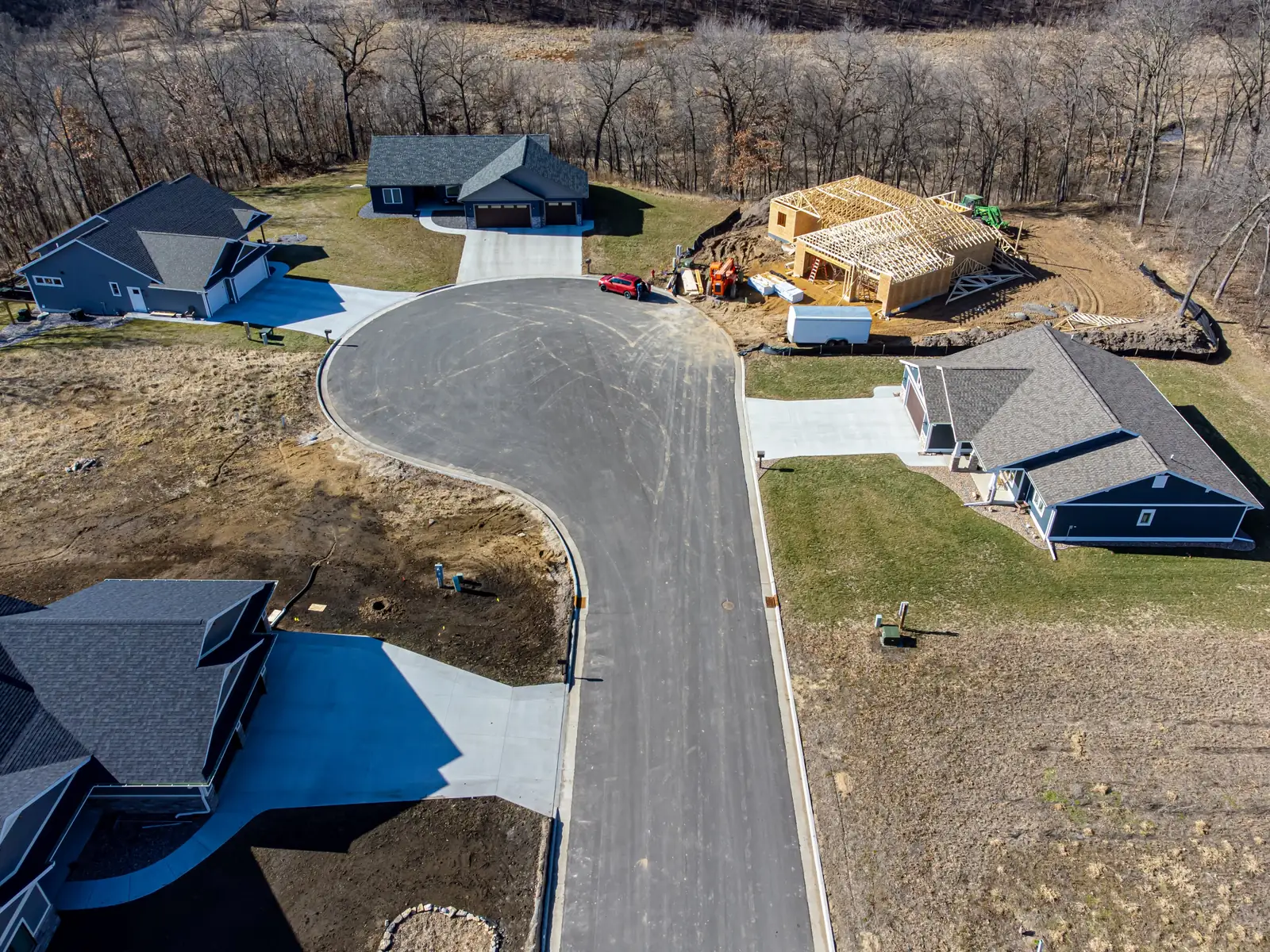
To invest in land lots, focus on buildable residential lots in areas where builders and homebuyers are active, buy below what builders or end users will pay, confirm zoning, utilities, and HOA rules, and plan to resell to a builder, a home buyer, or a neighbor. Lot investing is narrower than raw acreage investing: your profit depends heavily on local construction demand.
This guide is about individual building lots, typically in subdivisions or towns. If you are interested in larger undeveloped tracts, see how to invest in raw land, and for city lots specifically, our infill lot guide.
What is a land lot investment?
A lot is a smaller parcel, usually platted and zoned for one home or a small building. Lot investors buy vacant lots and profit by reselling them, sometimes after waiting for prices to rise, or by building on them. Because lots are already divided and often have utilities, they are closer to “ready” than raw land, which makes them easier for builders and homebuyers to use.
Where does lot investing work best?
- Growing areas where builders are actively looking for finished lots.
- Established neighborhoods with few remaining vacant lots.
- Older subdivisions with scattered vacant lots and utilities in place.
Areas with a large oversupply of vacant lots, such as some subdivisions platted decades ago and never built out, can be harder to profit from, because supply far exceeds demand.
How do you find lots to buy?
- MLS and online listing sites under lots and land.
- County records of vacant parcels, especially owned by out-of-area owners.
- Tax-delinquent lists and land bank programs.
- Builders selling off excess lots.
- Estate and probate sales.
How do you evaluate a lot as an investment?
- Buildability. Zoning, setbacks, and lot size must allow a marketable home.
- Utilities. Check whether water, sewer, and power are available and whether tap fees are paid.
- HOA rules. Check dues, build deadlines, and design rules.
- Topography and drainage. Steep or wet lots cost more to build on.
- Comparable lot sales. Know what lots actually sell for, not asking prices.
- Finished home values. Builders look at what a new home will sell for to decide what they can pay for the lot.
Who buys lots from investors?
Builders are often the main buyers in active markets. Small builders may buy a few lots at a time. Individual buyers who want to build their own home are another market, and neighbors sometimes buy adjacent lots for extra space. Knowing your buyer helps you price correctly and market efficiently.
How do builders decide what to pay for a lot?
Builders work backward from the expected sale price of the finished home, subtracting construction costs, financing, selling costs, and their profit margin. The remainder is what they can pay for the lot. If you understand this math in your market, you can estimate what a builder might offer and buy at a price that leaves you room for a profit.
What does it cost to hold a lot?
- Property taxes, which can be higher on lots in developed areas.
- HOA dues, if applicable.
- Mowing or clearing, which some cities require.
- Liability insurance.
See our guide to property tax on vacant land for how vacant parcels are taxed.
Should you build on the lot or sell it vacant?
Building can produce a bigger profit but requires construction financing, managing contractors, and more risk. Selling the lot vacant is simpler. Some investors partner with builders or sell lots with plans attached. If you are considering building to rent, see our guide to build-to-rent homes.
What are the risks of investing in lots?
- Housing slowdowns that reduce builder demand.
- Oversupply of lots in the same area.
- HOA deadlines that require building within a set time.
- Unexpected costs for drainage, retaining walls, or utility upgrades.
- Paying too much based on optimistic resale prices.
How do you get started with lot investing?
Start by studying one local market closely. Track which lots sell, to whom, and for how much. Talk to local builders about the lots they want and the prices they pay. Buy your first lot with cash or conservative financing, choose one with straightforward zoning and utilities, and keep reserves for holding costs.
How do you price a lot when you resell?
Price using recent lot sales in the same area and what builders are paying, adjusted for your lot’s features such as size, view, slope, and whether utility tap fees are already paid. Corner lots, cul-de-sac lots, and lots backing onto green space can command different prices depending on local preferences. Our guide on how to price land for sale explains the comparison method in more detail.
How do you research a lot market before buying?
Spend a few weeks gathering data before making offers. Pull sold lot data from county records or an agent for the past year, note how long lots took to sell, and compare with the number of lots currently listed. Drive the neighborhoods to see where new homes are going up and which builders are active. Check permit activity if your city publishes it. A market where lots sell steadily and builders are busy is a very different investment from one where lots sit for long periods.
One more practical point: lot investing rewards patience and local relationships. Investors who know the builders, agents, and planning staff in one area usually spot good lots sooner and avoid the ones with hidden problems.
Related reading: how to Value Land Per Acre.
Frequently asked questions
Are lots a better investment than raw land?
Neither is always better. Lots are closer to buildable and easier to sell to builders in active markets, while raw land can be cheaper but riskier and slower to sell.
Can I finance a lot purchase?
Yes. Lot loans are available from many local lenders, often with better terms than raw land loans.
Do I need to build within a certain time?
Some HOAs and developers require it. Check the covenants before buying.
What makes a lot hard to sell?
Common problems include steep slopes, drainage issues, small size, high HOA dues, or being in a subdivision with many unsold lots.