

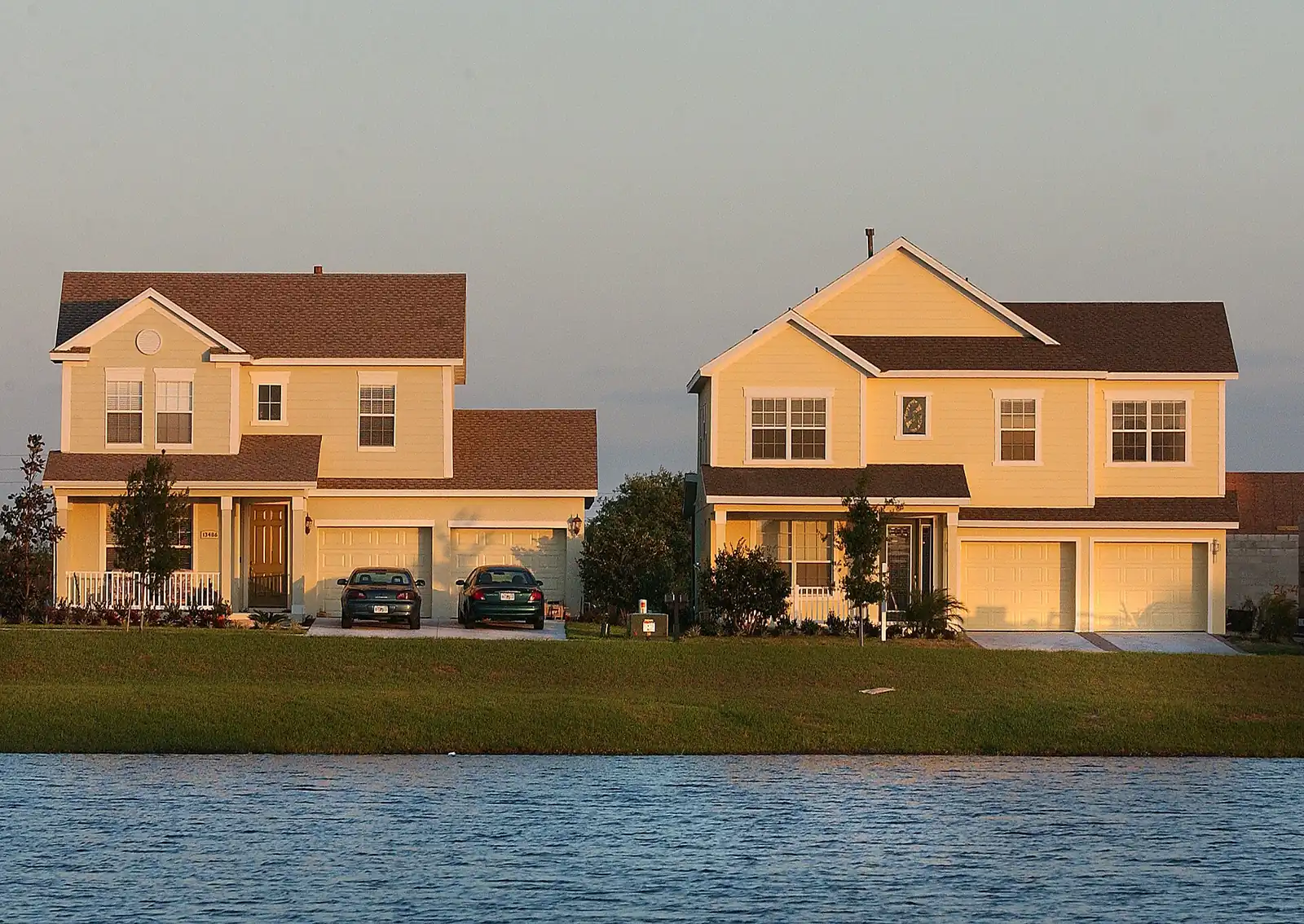
New home sales did something few people expected in October: they jumped. The U.S. Census Bureau and the Department of Housing and Urban Development reported on November 25, 2026, that sales of newly built single-family homes climbed 14.2% from September to a seasonally adjusted annual rate of 701,000. The National Association of Home Builders (NAHB) called it a yearly high.
That headline sounds like a turnaround. The details tell a more careful story, and for anyone buying land, lots, or small development sites, the details are what matter.
The key numbers from the October report
- Sales pace: 701,000 (seasonally adjusted annual rate), up 14.2% from September’s revised 614,000 and up 7.5% from 652,000 in October 2025.
- Homes for sale: 470,000 at the end of October, down 1.5% from September and 4.1% from a year earlier.
- Months’ supply: 8.0 months at the current sales pace, down from 9.3 months in September.
- Median price: $391,300, down 0.3% from September and 3.2% from a year ago.
- Average price: $459,900, down 2.2% from September and 12.1% below October 2025’s $523,400.
One caution before reading too much into the jump. Census publishes a margin of error with every figure, and the monthly sales change came with a range of plus or minus 22.6 percentage points. In plain terms, the government itself can’t say with statistical confidence that sales actually rose. Monthly new home sales numbers are noisy and often revised, so the trend over several months is a better guide than any single report.
Builders are buying sales with price cuts and incentives
Prices are the part of this report I’d pay closest attention to. The median new home price is now lower than it was a year ago, and the average price fell more than 12% year over year. That drop in the average likely reflects builders shifting toward smaller, lower-priced homes as well as discounting, but either way the direction is the same: builders are working harder to find buyers who can qualify.
NAHB chairman Bill Owens said builders are “responding with incentives and pricing adjustments.” NAHB’s forecasting team added that it’s too early to treat October’s gain as a lasting recovery in demand. Year to date, new home sales are still down 3%, according to NAHB.
That fits with what we saw earlier this month, when builder confidence fell to a 14-year low. Builders can move homes, but often only by giving up margin.
Regional picture: the South holds up, the West lags
NAHB’s breakdown of year-to-date sales shows a clear split. Sales are roughly flat in the South (up 0.1%), down 1.8% in the Midwest, down 8.3% in the Northeast, and down 11.1% in the West. For land buyers, that matters. Lots in Southern growth markets still have builders actively absorbing them, while Western markets are seeing slower demand for finished homes, which usually means slower demand for the land underneath them too.
Mortgage rates eased a little heading into Thanksgiving
Financing remains the biggest headwind. Freddie Mac’s weekly survey, released a day early for the holiday on November 25, showed the 30-year fixed rate averaging 7.21%, down from 7.28% the week before. The 15-year fixed averaged 6.54%, down from 6.66%. A year ago, the 30-year rate was 6.23%, so borrowing is still roughly a full percentage point more expensive than in late 2025. We covered the prior week’s move in our November 19 rate update.
What this means for land buyers and investors
1. Don’t read one month as a trend. With a margin of error this wide, treat October’s jump as a possible sign of life, not proof of a recovery. Watch whether November and December sales hold near this level before changing your plans.
2. Builder lot demand is selective. With 8.0 months of new home supply, builders still have homes to sell before they need many more lots. Combine that with October’s drop in building permits, covered in our housing starts report, and it’s reasonable to expect builders to stay picky about new land purchases in the near term.
3. Falling new home prices squeeze land values. Builders work backward from what a finished home can sell for. When median and average sale prices slip, the amount they can pay for a lot shrinks too. If you plan to sell land to a builder, price it against today’s home prices, not last year’s.
4. Location still decides everything. The South’s steady sales suggest land in growing Southern metros and their suburbs keeps more builder interest than land in slower regions. Check local permit counts and recent lot sales in your county before assuming national numbers apply to you.
5. Patient buyers may find openings. Softer builder demand can mean less competition for raw land and more room to negotiate on price, terms, or seller financing. Just make sure your holding costs, including property taxes and any loan interest at today’s rates, fit a timeline that may be longer than you’d like.
The bottom line: October was a better month for new home sales than anyone expected, but builders are earning those sales with lower prices, and rates are still above 7%. For land, that points to a market that rewards careful buying and realistic pricing over speculation.
Sources
- U.S. Census Bureau and HUD, Monthly New Residential Sales, October 2026 (CB26-188), released November 25, 2026
- NAHB, “New Home Sales Rise in October Amid Affordability Pressures,” November 25, 2026
- Freddie Mac, Primary Mortgage Market Survey, “Mortgage Rates Dip to 7.21%,” November 25, 2026